


Hydromol Relief
Hydromol Relief is a non-steroidal cream intended for the treatment of mild and moderate symptoms experienced with various types of dermatoses, including atopic dermatitis and allergic contact dermatitis such as itching, burning and pain.1
It offers long lasting itch relief within minutes of application, lasting up to 5 hours1,2 and is proven to provide rapid improvement of atopic dermatitis and allergic contact dermatitis lesions within 8 days.1,3,4
The combined ingredients in Hydromol Relief (including Sodium Hyaluronate, Vitis Vinifera seed extra and Shea butter) 3-9,10 offer a 3-in-1 action in one impactful cream, working to support patients in managing the debilitating effects of itching due to dry conditions.
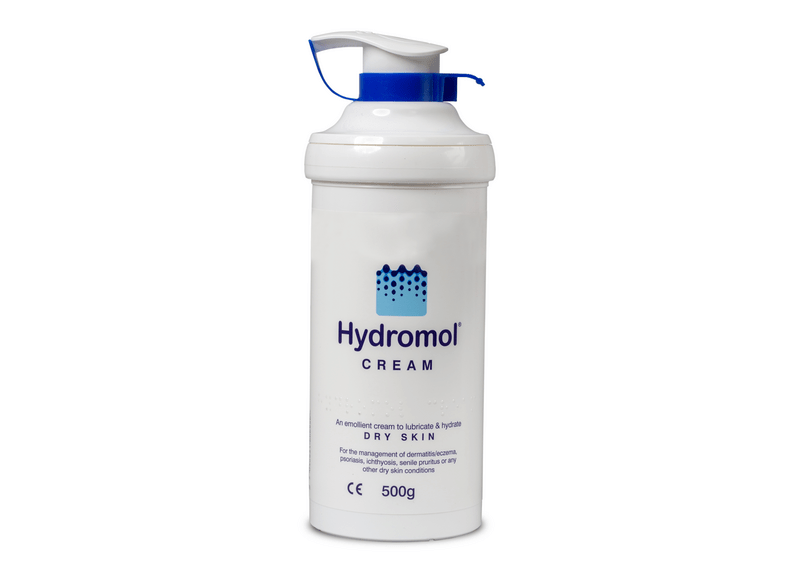
Hydromol Cream
Hydromol Cream is formulated with key ingredients for skin health and itch relief. It contains sodium pyrrolidone carboxylate (Sodium PCA), which is a humectant.10 Sodium PCA is also a vital component of Natural Moisturising Factor (NMF) and so can actively replace the missing components in damaged skin, and moisturise the skin from the inside.
In addition, Hydromol Cream also leaves a fine layer of emollient on the skin that helps reduce transepidermal water loss, and keep irritants out.11
Combines the actions of a humectant with the occlusive properties of Paraffin, to help lubricate and enhance the water capacity of the skin.12
It works in two ways to promote skin health in a single application.
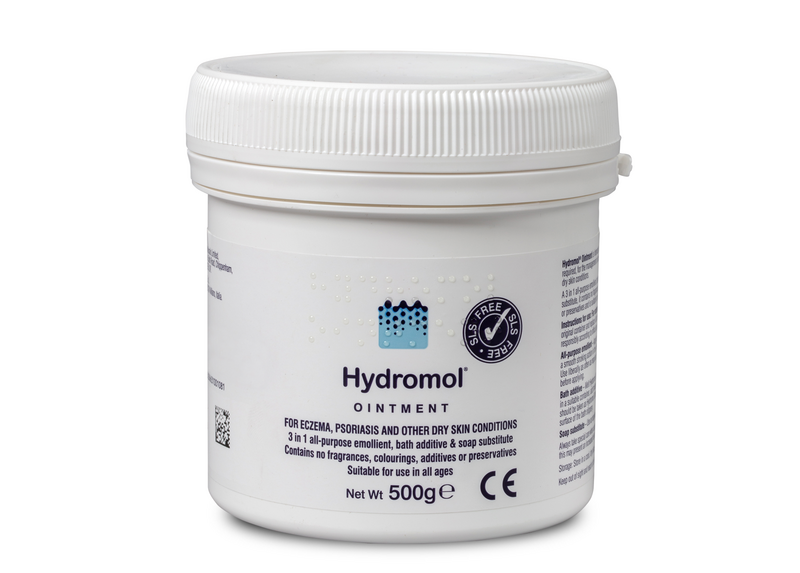
Hydromol Ointment
Hydromol Ointment is the No.1 prescribed ointment.13
It is a highly occlusive 3-in-1 emollient that can be used as an all-purpose emollient, bath additive and as an alternative to soap.
By forming an occlusive layer on the skin, it helps to protect the skin, and reduce transepidermal water loss.
It contains no fragrances, colour or preservatives which may irritate particularly sensitive skins, and does not contain sodium lauryl sulphate. This may be useful if your patient's skin is particularly sensitive to this ingredient.
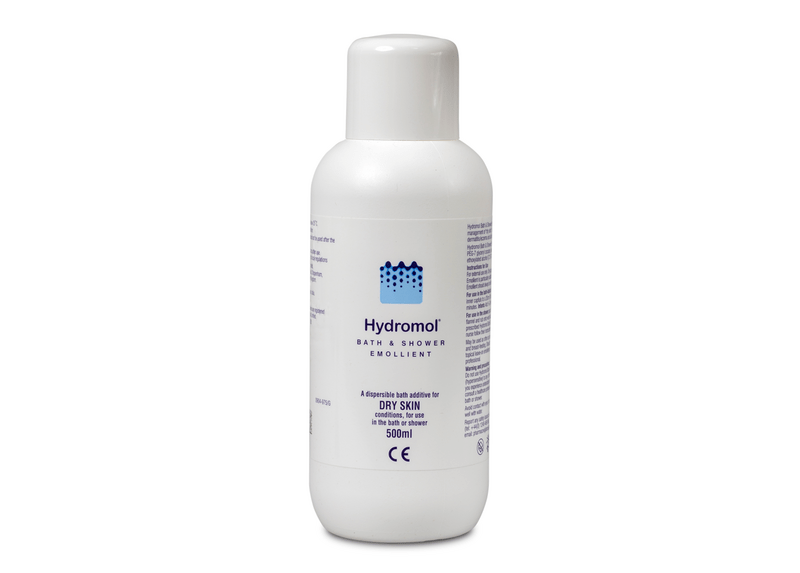
Hydromol Bath & Shower
Hydromol Bath & Shower Emollient works in two ways. First, it replaces traditional soaps, shower gels and bubble baths, all of which contain detergents which can irritate dry or damaged skin.14,15
Secondly, it leaves a fine layer of emollient on the skin to reduce TEWL (trans-epidermal water loss), and help restore the skins natural barrier function.11*
A key feature of Hydromol Bath & Shower Emollient is that in trials it has been shown to leave less oily residue on bath surfaces than other frequently prescribed bath emollients.16
*Bath emollients should not replace your standard treatment for dry skin. The product should be used in combination with other topical leave on emollients, as required or advised by a Healthcare Professional.
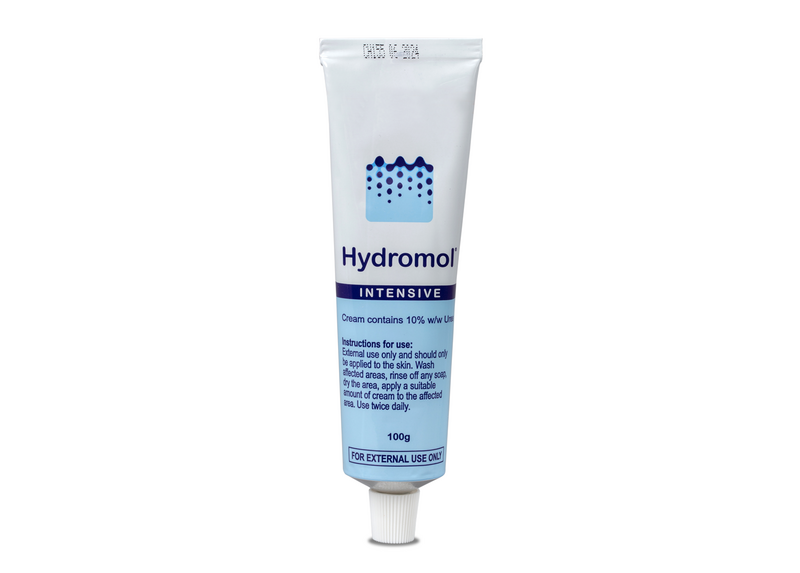
Hydromol Intensive
Hydromol Intensive is used to relieve the discomfort of clinically dry skin conditions. It contains a high concentration of urea, a component of the skin's own Natural Moisturising Factor (NMF). It acts as a humectant to moisturise the skin from the inside.
With a 10% concentration of urea, Hydromol Intensive helps to relieve the itchiness patients with clinically dry skin conditions alongside a Complete Emollient Therapy regime.